Benefits of Engineered Versus Solid Hardwood: Which is Best for Your North York Space?


Introduction to Engineered and Solid Hardwood
When it comes to choosing the right flooring for your North York space, the decision often narrows down to two popular options: engineered hardwood and solid hardwood. Both have their unique benefits, but understanding their differences can help you make an informed decision. This post explores the advantages of each, helping you determine which is best suited for your needs.
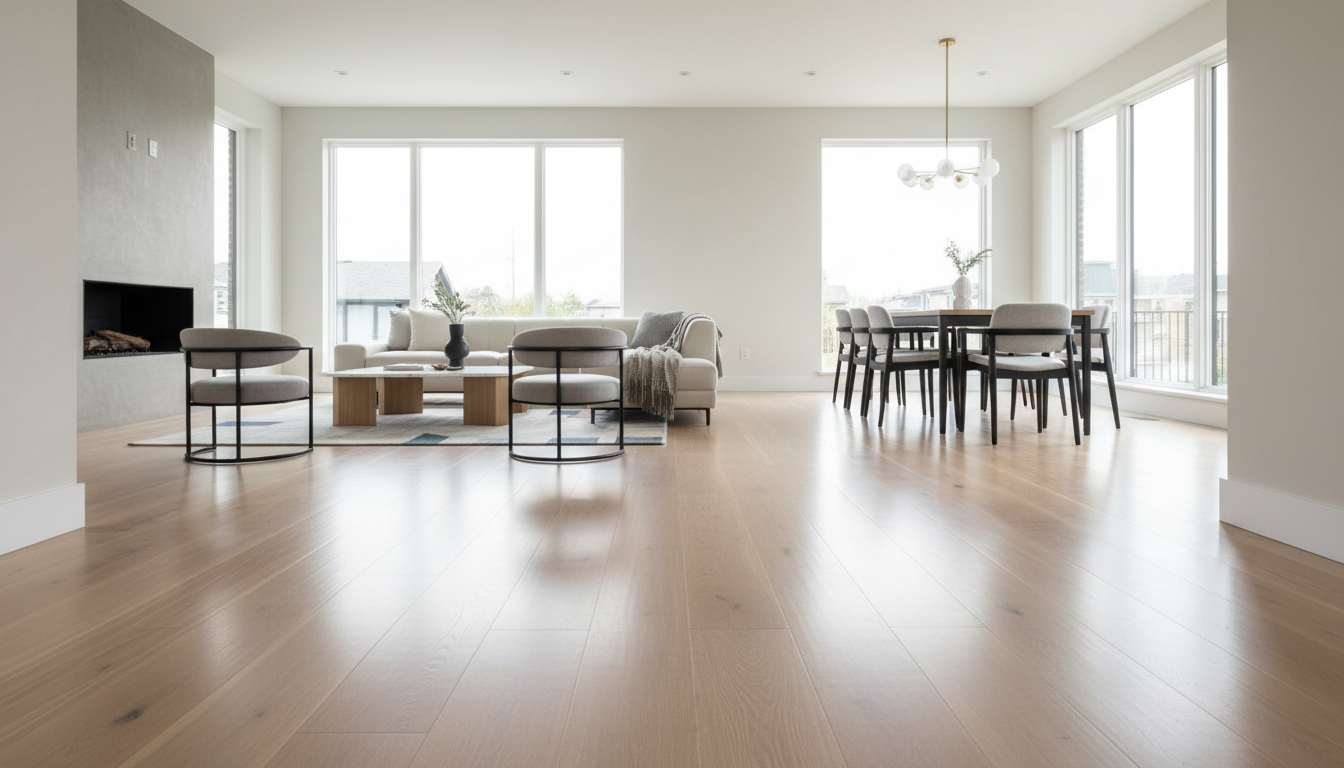
Understanding Engineered Hardwood
Engineered hardwood is composed of multiple layers of wood, with a top veneer of genuine hardwood. This structure offers several benefits, including enhanced stability and resistance to moisture. It's particularly suitable for areas with fluctuating temperatures and humidity levels, such as basements and kitchens.
One of the standout features of engineered hardwood is its versatility. It can be installed over concrete, radiant heating systems, and even existing flooring, making it an ideal choice for renovations and new constructions alike.
Advantages of Solid Hardwood
Solid hardwood is made from a single piece of wood, offering a classic look and feel. It's renowned for its durability and can be sanded and refinished multiple times, extending its lifespan. This makes it a preferred choice for those who want a long-lasting flooring solution that can be refreshed as styles and preferences change.
Another advantage of solid hardwood is its potential to increase property value. Its timeless appeal and natural beauty are often seen as desirable features in a home, making it a smart investment for homeowners looking to boost their property's marketability.
Cost Considerations
When it comes to cost, engineered hardwood tends to be more budget-friendly than solid hardwood. However, this doesn't mean sacrificing quality. Engineered options can mimic the appearance of traditional hardwood at a lower price point, making them accessible for a wider range of budgets.
Solid hardwood, while potentially more expensive upfront, offers a long-term value that can justify the initial investment. It's important to weigh the cost against the potential for increased property value and longevity.

Maintenance and Care
Both engineered and solid hardwood require regular maintenance to preserve their appearance and longevity. However, engineered hardwood may have a slight edge in terms of ease of care. Its multi-layer construction provides added resistance to warping and staining, making it a low-maintenance option for busy households.
Solid hardwood, though requiring more attention, rewards homeowners with a rich, authentic look that can be revitalized through refinishing. This ability to renew its surface is a significant plus for those who prioritize long-term aesthetics.
Conclusion: Which is Right for You?
Choosing between engineered and solid hardwood depends on your specific needs, budget, and the environment of your North York space. If you're looking for a versatile, cost-effective option that handles moisture well, engineered hardwood may be the way to go. On the other hand, if you seek a classic, durable flooring solution with the potential to enhance property value, solid hardwood could be your best bet.
Ultimately, both engineered and solid hardwood offer distinct benefits that can complement any space. By considering the factors outlined above, you can make a choice that aligns with your lifestyle and design preferences.